Farm Structures Built for Livestock and Equipment
Agricultural Building Construction in Ripley for livestock shelters, hay storage, and equipment buildings designed for farm operations and future expansion
High humidity, manure exposure, and constant equipment traffic destroy buildings that aren't designed for agricultural use, leading to rot, corrosion, and structural failure within years instead of decades. Queen City Builders constructs livestock barns, equipment storage buildings, and hay shelters in Ripley using materials and layouts suited for the ventilation, drainage, and durability demands of working farms. You get structures with corrosion-resistant fasteners, proper airflow to control moisture and ammonia buildup, and floor plans that accommodate herd movement, feed delivery, and machinery access without constant maintenance or premature replacement.
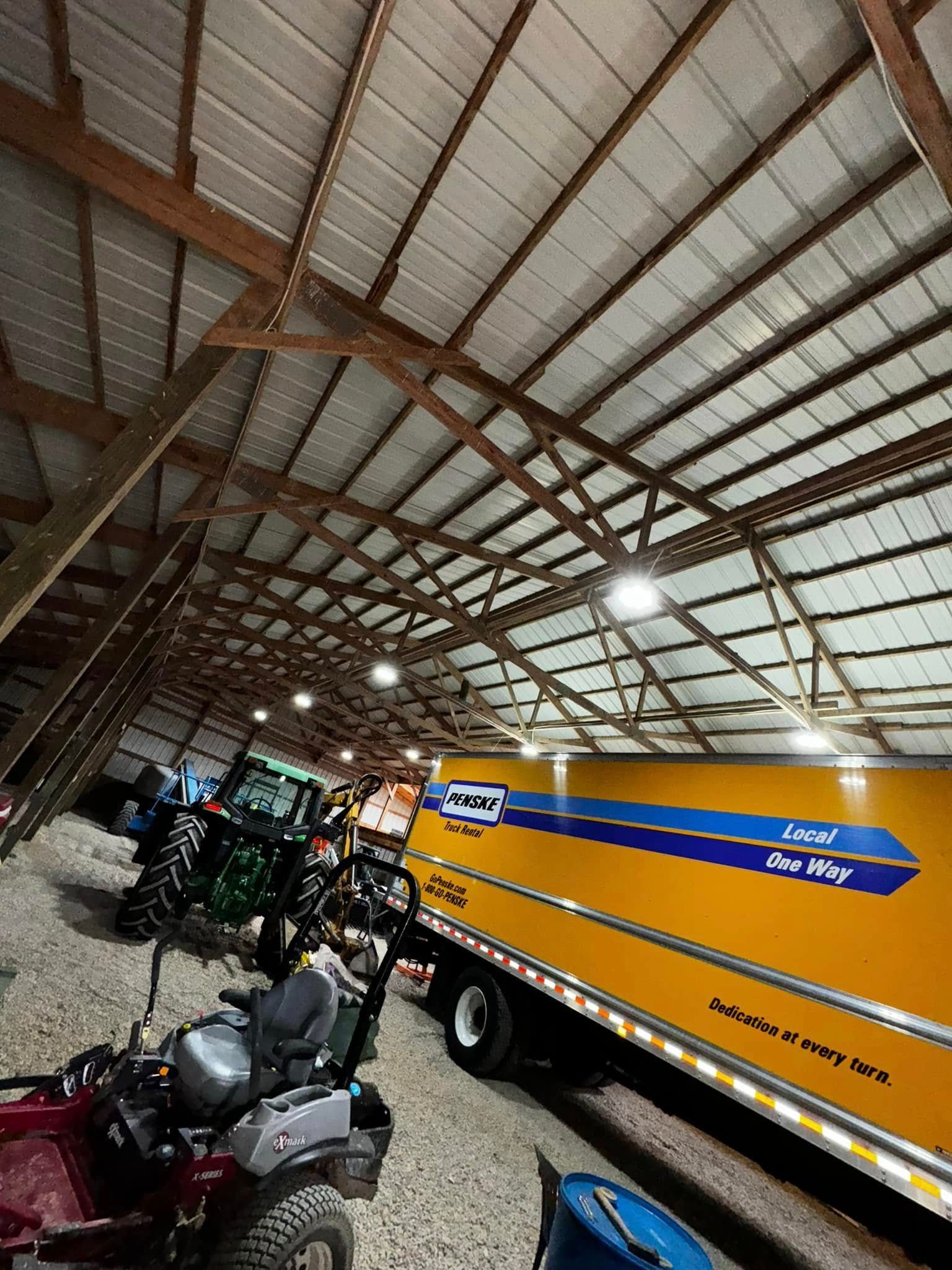
Agricultural buildings are planned around the specific operations they'll support, whether that means ventilation systems for livestock comfort, clear-span interiors for hay storage, or reinforced floors for heavy equipment parking. Post-frame construction allows for wide door openings and column-free interiors, and roof pitch and overhang dimensions are designed to handle snow loads and protect sidewalls from weather-driven moisture. Layouts account for future expansion, with structural designs that allow additional bays or lean-tos to be added without compromising the original building's integrity.
Arrange a consultation to discuss your farm's operational needs and review building layouts that support efficient workflow and animal welfare.
What Proper Agricultural Construction Involves
Agricultural building construction starts with understanding how the structure will be used daily, from livestock movement patterns to equipment dimensions to feed and bedding storage requirements. Ventilation planning prevents moisture buildup that leads to respiratory issues in animals and accelerates material deterioration, and door placement is designed to simplify chore routines and equipment access. Durable materials suited for agricultural environments include pressure-treated lumber for ground contact, galvanized or coated fasteners that resist corrosion, and metal roofing and siding that shed moisture and withstand manure gas exposure.
Once construction is finished, you'll notice improved workflow efficiency as livestock move easily through properly sized gates and alleys, equipment fits through door openings without tight maneuvering, and hay or feed remains dry and accessible regardless of weather. Ventilation keeps air fresh and reduces condensation on interior surfaces, and the building's layout minimizes the time and effort required for daily feeding, bedding, and cleaning tasks. Structural design accommodates the weight of stored hay, grain, or equipment without sagging or shifting, and expansion-ready framing allows you to add space as herd size or equipment inventory grows.
Buildings can be configured for specific livestock types, with features like maternity pens for calving operations, elevated hay storage to keep bedding dry, or wash bays for equipment cleaning. Concrete floors in high-traffic areas prevent mud and simplify manure removal, while dirt or gravel floors in other sections reduce costs and allow natural drainage where moisture control is less critical.
Common Questions About This Service
Farmers and property owners in Ripley planning agricultural buildings often ask about ventilation systems, layout options, and how to design structures that adapt to changing operational needs.
What ventilation is required for livestock barns?
Natural ventilation uses ridge vents, eave openings, and strategically placed doors or windows to create airflow that removes heat, moisture, and ammonia without relying on mechanical systems. Livestock density, building size, and climate conditions determine the amount of ventilation needed, and proper design prevents drafts that stress animals while maintaining air quality.
How are agricultural buildings designed for future expansion?
Expansion-ready designs use modular bay spacing and structural framing that allows additional sections to be added without modifying the original building. End walls can be removed and extended, and lean-tos or side sheds can be attached to increase covered space for equipment or livestock as operations grow.
What flooring works best for livestock shelters?
Concrete floors withstand heavy use, simplify cleaning, and prevent mud in high-traffic areas like feeding and milking zones. Dirt or gravel floors cost less and provide natural drainage in loafing areas or dry bedding zones. The choice depends on livestock type, stocking density, and whether the area will be cleaned mechanically or by hand.
Can equipment storage and livestock shelter be combined in one building?
Separate bays within the same structure allow equipment storage in one section and livestock housing in another, reducing construction costs while keeping machinery protected and accessible. Dividing walls or fencing separate the two zones, and ventilation and flooring are tailored to each area's specific requirements.
What materials resist agricultural environments long-term?
Pressure-treated lumber for posts and ground contact, galvanized or stainless steel fasteners, and metal roofing and siding all resist moisture, manure exposure, and corrosion better than untreated wood or standard hardware. Material choices affect both initial cost and long-term maintenance requirements, and investing in durable materials reduces replacement and repair frequency over the building's lifespan.
Queen City Builders designs and constructs agricultural buildings tailored to specific farm operations, handling layout planning, material selection, and construction management from start to finish. Schedule a project consultation to review your operational requirements and explore building options that improve farm efficiency and support long-term growth.